


Dora Bacillus Thuringiensis
BTK, BTI, BTA
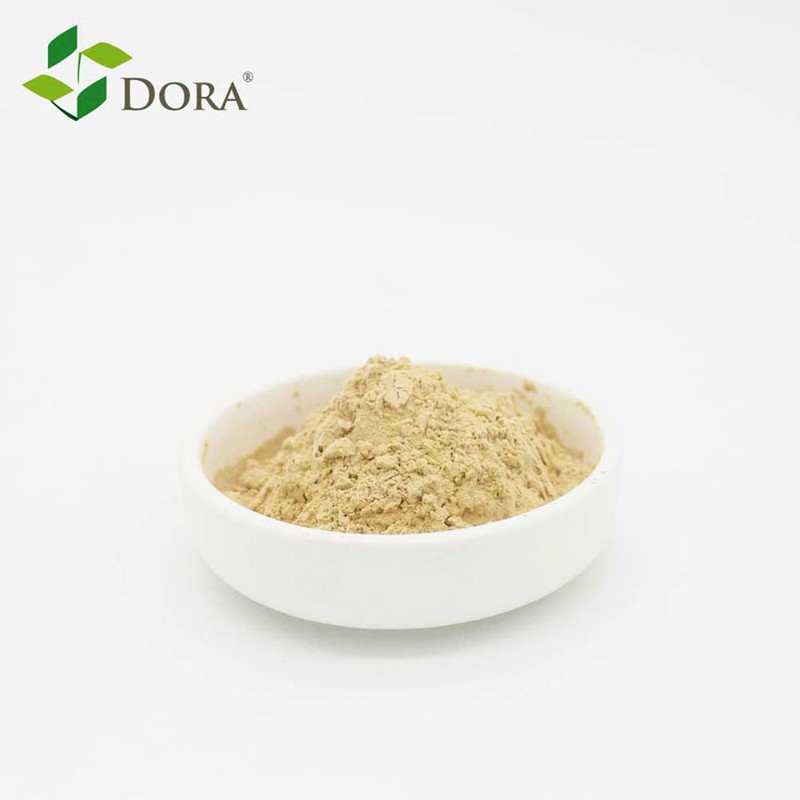
Microbial biopesticide
Bacillus thuringiensis (Bt) is a spore-forming bacterium that produces insecticidal crystal proteins toxic to different insect orders. The toxicity and target pests vary between subspecies. Bt can control Lepidoptera, Coleoptera, Diptera, Hymenoptera, etc. Bt kurstaki is commonly used against lepidopteran larvae.
Bt produces endotoxins (crystal proteins) and exotoxins (α, β, γ). Crystal proteins are the major toxins, paralyzing alkaline larval midguts within minutes. This stops feeding, disrupts the gut lining, facilitates bacterial invasion/sepsis, and causes death by starvation/septicemia. Exotoxins act slower, especially during molting/metamorphosis.
Benefits of bacillus thuringiensis used in agriculture
1. Highly selective, safe for natural enemies, low resistance risk
2. Non-polluting, compatible with IPM
3. Causes epizootics that sustain microbial control
4. Safe for humans/animals, no residues, suitable for organic farming
Specification
| Appearance | Potency IU/mg | Fineness(320mesh) | Moisture |
| Brown to yellow powder | 50000 | ≥95% | ≤5% |
Control range of BTA,BTK,BTI
Bacillus thuringiensis is widely applied in crops. It is widely used in cruciferous vegetables, solanaceous vegetables, cucurbit vegetables, tobacco, rice, sorghum, soybean, peanut, sweet potato, cotton, tea plant, apple, pear, peach, jujube, citrus, hawthorn and other plants. It is mainly used to control lepidopteran pests such as diamondback moth, Plutella xylostella, Spodoptera exigua, Helicoverpa armigera, Pieris rapae, tobacco budworms, Ostrinia furnacalis, Cnaphalocrocis medinalis and Spodoptera litura.
How to Maximum Bacillus Thuringiensis' effect
1. Treat early instars 2-3 days before chemicals
2. Apply during mild >25°C weather, especially evenings
3. Avoid cold, rain, sunlight, wind
4. Don't mix with systemic organophosphates or fungicides
5. Avoid contact with silkworms due to toxicity
6. Store below 25°C in a dry, dark location
Hot Tags: biopesticide bacillus thuringiensis, China biopesticide bacillus thuringiensis manufacturers, suppliers, Enzymes for Plants, Gibberellins Gibberellic Acid GA3, Fertilizer With Chelated Iron, Vitamin B12 for Plants, Fish Fertilizer, Fish and Seaweed Fertilizer